Monday, March 10, 2014

Chapter 16: Facial Machines

1. The skin conditions that a Wood's lamp would pick up include:
  • thick corneum layer- white fluorescence
  • horny layer of dead skin- white spots
  • dehydrated skin- light violet
  • oily areas- yellow sometimes pink
  • pigmentation- brown
2. The purpose of a brush machine is lightly exfoliate the skin and cleanse.

3. The benefits of the vacuum device are to suction dirt and impurities from the skin, and to stimulate the dermal layer and blood circulation.

4. The two reaction of the galvanic current are:
  1. desincrustation: galvanic current is used to create an alkaline chemical reaction that emulsifies or liquefies sebum and debris
  2. iotophoresis: process of introducing ions of water-soluble products into the skin by using an electric current such as the positive and negative poles of galvanic machine.
5. The contraindications for using a galvanic machine are:
  • metal implants or a pacemaker
  • braces
  • heart conditions
  • epilepsy
  • pregnancy
  • high blood pressure, fever, or any infection
  • diminished nerve sensibility due to diseases such as diabetes
  • open or broken skin or inflamed pustular acne
  • couperose skin or rosacea
  • chronic migraine headaches
6. Anaphoresis is the process of desincrustation or forcing negative liquids into the tissues from the negative toward the positive pole; an alkaline, stimulating reaction.

7. The negative pole of the galvanic current affects the skin by:
  • causing an alkaline reaction
  • softening and relaxing tissue
  • stimulating nerve endings
  • increasing blood circulation
8. Cataphoresis is the process of forcing positive, acidic substances into deeper tissues using galvanic current from the positive toward the negative pole; tightens and calms the skin.

9. The positive pole of the galvanic current affects the skin by:
  • causing an acid reaction
  • tightening the skin
  • calming or soothing nerve endings
  • decreasing blood circulation
10. High frequency is used in the following ways:
  • It has an antiseptic effect on the skin
  • It stimulates circulation
  • It helps oxygenate the skin
  • It increases cell metabolism
  • It helps coagulate and heal any open lesion after extraction by sparking it with the mushroom electrode
  • It generates a warm feeling that has a relaxing effect on the skin
11. The benefits of the spray machine are calming and hydrating the skin.

12. The benefits of electric boots and mitts are increasing circulation, promoting overall relaxation, and helping lotion penetrate.

Thursday, February 20, 2014

Chapter 15: Facial Massage

1. The benefits of massage include:

  • Relaxes the client and the facial muscles
  • Stimulates blood and lymph circulation
  • Improves overall metabolism and activates sluggish skin
  • Helps muscle tone
  • Helps cleanse the skin of impurities and softens sebum
  • Helps slough off dead skin cells
  • Reduces puffiness and sinus congestion
  • Helps product absorption
  • Relieves muscle tension and pain
  • Provides a sense of physiological and psychological well-being
2. The different styles of classical massage movements are:

Effleurage: a soft, continuous stroking movement applied with the fingers and palms in a slow and rhythmic manner.

Petrissage: a kneading movement that stimulates the underlying tissues.

Friction: a rubbing movement; pressure is maintained on the skin to create friction.  Chucking, rolling, and wringing are variations of friction.

Tapotement: fast tapping, slapping, and hacking movements.

Vibration: a rapid shaking movement in which the technician uses the body and shoulders, not just the fingertips, to create the movement.

3. The Dr. Jacquet movement is mostly used for oily skin.  It helps move sebum out of the follicles and up to the skin's surface by kneading.

4. The facial massage steps are:
  1. Set up the room
  2. Prepare the table, equipment, and workstation
  3. Help the client prepare for the service
  4. Apply the massage product with relaxing strokes
  5. Move up the forehead
  6. Begin upward strokes in the middle of the forehead and at the brow line
  7. Begin a circular movement in the middle of the forehead along the brow line
  8. Start a crisscross stroking movement at the middle of the forehead, starting at the brow line

5. Some contraindications for massage include:
  • contagious diseases
  • inflamed acne
  • sunburn
  • sensitive skin
  • certain health problems such as high blood pressure or cancer

7. On the muscles, you massage in the direction from muscle insertion to origin.

Monday, February 17, 2014

Valentines Nails!

Holidays are an especially fun time to play with nail art.  Here are some of the Valentines designs I created this year.


Simple polish with CND Vinyl lux pink hearts on top.

Design with Shellac and glitter, with a tiny polish heart on top.


Polish design

Shellac


She wanted arrows and Valentines colors.


And my personal favorite... sweet and simple.
Happy Valentines Day!

Chapter 14: Basic Facials

1. Benefits of a facial include:
  • deep cleanses
  • exfoliates
  • increases circulation and detoxifies
  • relaxes the senses, nerves, and muscles
  • stimulates the skin functions and metabolism
  • slows down premature aging
  • treats conditions such as dryness, oiliness, or redness
  • softens wrinkles and aging lines
  • helps clear up blemishes
2. The steps in a basic facial are:
  • Client consultation (including review of contraindications and initial skin analysis)
  • Client draping
  • Warm towels and cleansing
  • In-depth skin analysis
  • Exfoliation product or mask
  • Softening with steam or warm towels
  • Extractions (and/or brow waxing)
  • Massage
  • Mask (massage and mask steps can be reversed)
  • Toner
  • Moisturizer and/or sunscreen
3. A mini-facial differs from a basic facial because it takes about half the time.  Steps that can be omitted include: comprehensive skin analysis, massage, or extractions.

4. Three contraindications include:
  • Medication such as Accutane
  • Pregnancy
  • Allergies to products or ingredients
5. Three important guidelines to follow in order to be successful and to maintain client loyalty are:
  • Always approach a client with a smile
  • Maintain neat, clean, and sanitary conditions
  • Give the client your full attention at all times
6. A mask is left in place for about 7-10 minutes.

7. Four ingredients that are beneficial for mature skin are:
  • Antioxidants such as C, E, and A
  • AHA's
  • Hydrating ingredients such as hyaluronic acid and glycerin
  • Peptides
8. Treatment contraindications for sensitive skin are too much warmth or steam, and anything too aggressive.

9. Four ingredients that are used for acne include:
  • BHA's
  • Sulfur masks
  • Vitamins
  • Benzoyl peroxide
10. The key points to consider when choosing skin care products for men are:
  • Tubes and pumps are more male-friendly than jars
  • Home care regimen should be simple.  Start with 2 products.
  • Men tend to like the foaminess of soaps
  • Educate him on sun protection and skin cancer facts

Friday, January 31, 2014

Chapter 13: The Treatment Room

1. It is important to create a professional atmosphere in a salon.

2. Room esthetics are important because your first impression to a client is a key factor in your success.

3. The two most important considerations in preparing and cleaning the room are:
  • The services you will perform and how you will work at the station
  • how comfortable the client will be in the facial chair.
4. The essential equipment you need for facials includes:
  • Facial bed
  • Esthetician's chair
  • Towel Warmer
  • Magnifying lamp or light
  • Steamer
  • Step stool
  • Utility cart
  • Machines (ie: Galvanic)
  • Wax heater
  • Waste container- closed and covered
  • Laundry hamper- closed and covered
  • Sharps container
5. It takes approximately 15 minutes to set up for a facial.

6. Ergonomically correct means that furniture and body positions are healthy for body and spine.

7. Soiled disposable gloves and extraction supplies go in a sealable plastic bag, and then in the appropriate waste container (ie: lancets and needles in a biohazard/sharps container).

8. The following steps are used to properly disinfect implements:
  • Wash implements thoroughly with antibacterial soap and dry.
  • Place implements in the disinfectant according to the manufacturer's instructions.
  • Rinse, dry, and put them away in a covered container.
9. The following are steps involved in cleaning the room or workstation at the end of the day:
  • Prepare the room, and check the schedule for the next workday
  • Use a clean-up checklist to make sure you did not forget anything
  • Turn off all equipment
  • Refill all containers, wax supplies, and the steamer
  • Check floors; sweep or mop as required.  Check for wax spills
  • Empty waste containers.  Replace with clean trash liners
  • Remove personal items from the area
  • Leave the hot cabbie door open to dry, and empty the tray underneath before sanitizing it
  • Clean anything that has not been cleaned  after the last service, including the bed, counters, and doorknobs.
10. An SMA (sanitary maintenance area) is an area kept clean for setup of procedure implements and supplies; for example, an SMA can be a towel on the workstation.

Monday, January 20, 2014

Chapter 12: Skin Care Products

1. The FDA defines cosmetics as: articles that are intended to be rubbed, poured, sprinkled or otherwise applied to the human body or any part thereof for cleansing, beautifying, promoting attractiveness or altering the appearance.

2.  The difference between functional and cosmetic ingredients is that functional ingredients make up the body, texture, or spreadability of the product, and performance ingredients cause the changes in appearance.

3.  Water has two purposes in cosmetic formulations:
  • Vehicle: helps other ingredients stay in the solution and help spread products across the skin.
  • Performance: replenishes moisture.
4. Emollients are fatty material used to lubricate, moisturize, and prevent water loss.

5. Two basic categories of oils used in skin care products are oils from the earth (mineral oil and petrolatum) and oils from plants.

6. Three other emollients, besides oils are:
  • Fatty Acids: lubricant ingredients that are not irritating like other acids.  Examples: oleic acid, stearic acid, and caprylic acid.
  • Fatty Alcohols: Acids that have been exposed to hydrogen.  They are not drying and have a wax like consistency and are used as emollients or spreading agents.  Examples: cetyl alcohol, lauryl alcohol, and stearyl alcohol.
  • Fatty Esters: produced from fatty acids and alcohols.  Almost always end in -ate and often feel better than natural oils and lubricate more evenly.  Examples: isopropyl myristate, isopropyl palmitate, and glyceryl stearate.
  • Silicones: group of oils chemically combined with silicon and oxygen and leave a noncomedogenic protective film on the surface of the skin.   .  They are excellent protectants, helping to keep moisture trapped in the skin yet allowing oxygen in and out of the follicles.  Silicones also add an elegant, non-greasy feel to products.  Examples: dimethicone, cyclomethicone, and phenyl trimethicone. Often found in sunscreens, foundation, and moisturizers.
7. Comedogenicity means the tendency of any topical substance to cause or to worsen a buildup in the follicle, leading to the development of a comedo (blackhead).

8.  Essential oils are oils derived from herbs; have many different properties and effects on the skin and psyche.

9.  Preservatives are necessary in cosmetic products because they prevent bacteria and other microorganisms from living in a product.

10. The function of humectants in skin care products is to draw moisture to the skin and soften its surface, diminishing lines caused by dryness. Glycerin is a humectant used in creams and lotions.

11. Four products that slow the appearance of aging in the skin are:
  • Ceramides: Lipid materials found in skin's intercellular cement; a natural moisturizing factor; products help lipid replacement and combat dryness, aging, and dehydration.
  • Retinoic acid: A vitamin A derivative, retinoic acid has demonstrated an ability to alter collagen synthesis.  It is used to treat acne and visible signs of aging.  Side effects are irritation, photosensitivity, skin dryness, redness, and peeling.
  • Titanium dioxide: An inorganic sunscreen that reflects UVA rays.  When applied, it remains on the skin surface, basically scattering UV light.
  • Hydroquinone: Slows down the pigment factories in the skin, known as melanocytes, thus blocking the production of melanin.
  • Peptides: stimulate fibroblasts (the cells that produce collagen) to improve skin firmness and soften wrinkles.
12. The two main types of sunscreens are
  • Chemical: organic compounds that chemically absorb ultraviolet rays.
  • Physical: inorganic compounds that physically reflect ultraviolet rays.
13. The FDA regulates cosmetics only in the areas of safety, labeling, and the claims made for a product.

14. The symptoms of an allergic reaction to a product include inflammation of the skin, burning or itching, blisters, blotches, or rashes.  The eyes may swell, puff, or produce tears.

15. The two main product components that cause the most allergic reactions are fragrances and preservatives.

16. Five examples of antioxidant ingredients are Vitamins C and E, green tea, DMAE, and grape seed extract.

17. Four ingredients beneficial for mature or aging skin are seaweed, chamomile, allantoin, and rose essential oil.

18. Two ingredients beneficial for acne are salicylic acid and benzyl peroxide.

19. Two ingredients beneficial for sensitive skin are

20. The main categories of professional skin care products are: cleansers, toners, exfoliants, masks, hydrators & moisturizers, serums & ampoules, and sunscreens.

21. The benefits of using toners are:
  • they remove residue left behind by cleansers or other products
  • restore the skin's natural pH after cleansing, and they hydrate the skin
  • have a temporary tightening effect on both the skin and follicle openings
  • Some products can help certain skin conditions, depending on the ingredients.
22. The two categories of exfoliants are:
  • Chemical- dead skin cells and the intercellular 'glue' that holds them together, are dissolved by chemical agents such as AHA's.
  • Mechanical- is a method of physically rubbing dead cells off of the skin such as granular scrubs.
23. Some benefits of exfoliation are:
  • Skin texture is smoother and softer
  • Follicle openings are cleaner
  • Deep pore cleansing and extraction are easier.
  • The cell turnover rate is increased, bringing new cells to the surface more rapidly.
  • The skin's ability to retain moisture and lipids is improved.
  • Product penetration is improved, and delivery of ingredients into the epidermis is more effective.
  • Blood flow and circulation are stimulated
  • Makeup application is smoother and more even.
24. The benefits of a mask include:
  • tighten and tone the skin
  • draw impurities out of the pores
  • clear up blemishes
  • hydrate
  • nourish
  • calm and soothe
  • rejuvenate the skin
  • brighten the complexion
25. The difference between a physical sunscreen and a chemical sunscreen is that physical sunscreens physically reflect UV rays and chemical sunscreens absorb them.

26. SPF refers to the sun protection factor.

27. Sunscreen is important because sun exposure leads to skin cancer as well as aging, hyperpigmentation, capillary damage, free radical damage, and collagen and elastin deterioration.

28. The steps in a good daily skin care routine are:
  • Cleanser
  • Toner
  • Serums/Eye cream
  • Moisturizer
  • Sunscreen
29. Moisturizers are necessary to help nourish and protect the skin.

30. Considerations that are important in choosing product lines are:
  • Are the ingredients high quality and beneficial?
  • Are the products versatile- effective for all skin types?
  • Are the wholesale cost and the retail pricing affordable?
  • Is the product name recognizable and reputable?
  • How are the products packaged?
  • What fragrances are used?
  • What can clients in your area afford?
  • What support can you anticipate from the company or supplier?
  • What educational opportunities and training are provided?

Monday, January 6, 2014

Chapter 11: Skin Analysis

1. All skin types are genetic.

2. The five skin types are: dry, normal, combination, oily, and sensitive.

3. The difference between dehydrated skin and dry skin is that dehydrated skin lacks water, and dry skin lacks oil.

4. The Fitzpatrick scale is a scale used to measure the skin type's ability to tolerate sun exposure.

5. Six of the most common skin conditions are:
  • adult acne
  • actinic aging from sun damage
  • problems from hormonal fluctuations
  • dehydration
  • pigmentation disorders
  • rosacea.
6. A skin condition is different from a skin type because it is affected by both internal and external factors, and is not just a result of our genetic makeup.

7. Some internal factors affecting the skin are free radicals in the body, genetics, stress, lack of exercise, lack of sleep, medications, dehydration, vitamin deficiency, improper nutrition, alcohol, caffeine, and hormones.

8. Some external factors affecting the skin are sun damage, environmental exposure, humidity, poor maintenance and care, misuse of products or treatments, and allergies.

9. Some healthy habits for the skin include: avoiding the sun and wearing sunscreen, using proper ingredients, a good diet, vitamins, water intake, exercise, and positive thinking.

10. The main cause of premature extrinsic aging is sun exposure.

11. The difference between UVA rays and UVB rays is that UVA rays have longer wavelengths that penetrate deeper into the dermis then UVB rays. UVA rays are also less energetic and affect the dermis, collagen, and elastin. They can also cause DNA damage leading to skin cancer. UVB rays are the main cause of sunburns and skin cancers.

12. Five contradictions for skin treatments are:
  • Use of Accutane or any skin-thinning or exfoliating drug.
  • Pregnancy
  • Metal bone pins or plates in the body.
  • Pacemakers or heart irregularities.
  • Autoimmune diseases or diabetes.

13. The steps to a skin analysis are:

Preparation- prepare the bed and room. Set out the supplies and products on a sanitary maintenance area (SMA). Preparing the client and cover the hair.

Procedure- look briefly at the clients skin with your naked eye or magnifying light. Cleanse the skin. Use a magnifying light to examine the skin more thoroughly. Look closely at the client's skin type, and the conditions present and the appearance. Also touch the skin with the fingertips to feel it's texture. Conduct a brief consultation while continuing to analyze with the magnifying lamp. Ask questions relating to the skins appearance and the client's personal health. Discuss what you see with the client. Choose products for treatment and home care. Record the information on the client's chart at the appropriate time.

Clean-up- follow the aseptic procedure to avoid contamination.

Chapter 10: Disorders and Diseases of the Skin

1. The nine primary lesions are:

Bulla: a large blister containing watery fluid. It is similar to a vesicle, but larger.

Cyst: a closed, abnormally developed sac containing fluid, infection, or other matter above or below the skin. An acne cyst is one type of cyst.

Macule: a flat spot or discoloration on the skin, such as a freckle. Macules are neither raised not sunken. 

Nodules: these are often referred to as tumors, but they are smaller bumps caused by conditions such as scar tissue, fatty deposits, or infections.

Papule: a small elevation on the skin that contains no fluid, but may develop into a pustule. 

Pustule: an inflamed Papule with a white or yellow center containing pus, a fluid consisting of white blood cells, bacteria, and other debris produced from an infection.

Tubercle: An abnormal rounded, solid lump, larger than a papule.

Vesicles: A small blister or sac containing clear fluid. Poison ivy and poison oak produce vesicles.

Wheal: An itchy, swollen lesion caused by a blow, insect bite, skin allergy reaction, or stings.  Hives and mosquito bites are wheals.

2. A Comedone is an open comedo or blackhead; a mass of hardened sebum and skin cells in a hair follicle.  When the follicle is filled with an excess of oil, a blackhead forms.  It is dark because it is exposed to oxygen and oxidizes.  Closed comedones do not have a follicular opening and are called milia or whiteheads.

3. The secondary lesions are:

Crust: Dead cells formed over a wound or blemish while it is healing, resulting in an accumulation of sebum and pus, sometimes mixed with epidermal material.  An example is the scab on a sore.

Excoriation: A skin sore or abrasion produced by scratching or scraping.

Acne exoriee: A disorder where clients purposely scrape off acne lesions, causing scarring and discoloration.

Fissure: A crack in the skin that may penetrate into the dermis.  Chapped lips or hands are fissures.

Keloid: A thick scar resulting from excessive growth of fibrous tissue (collagen).  Keloids are usually genetically predisposed and may occur following an injury or surgery.

Scale: Shredding of dead skin cells; flaky skin cells; any thin plate of epidermal flakes, dry or oily.  ie: dandruff.

Scar: Light-colored, slightly raised mark on the skin formed after an injury or lesion of the skin has healed.  The tissue hardens to heal the injury.  Thick, elevated scars are hypertrophic, like a keloid.

Ulcer: An open lesion on the skin or mucous membrane of the body, accompanied by pus and loss of skin depth.  A deep erosion or depression in the skin, normally due to infection or cancer.

4. Six sebaceous glands are:

Acne: A chronic inflammatory skin disorder of the sebaceous glands characterized by comedones and blemishes.  Also know as acne simplex or acne vulgaris.  Skin disorder characterized by chronic inflammation of the sebaceous glands from retained secretions and Propionibacterium acnes bacteria.

Asteatosis: Dry, scaly skin from sebum deficiency; can be due to aging, body disorders, alkalies of harsh soaps, or cold exposure.

Comedone: A non-inflamed buildup of cells, sebum, and other debris inside follicles.  An open comedo is a blackhead; when the follicle is filled with an excess of oil, a blackhead forms.  It is dark because it is exposed to oxygen and oxidation occurs.  A closed comedo is also referred to as a whitehead but should not be confused with the more hardened whitehead called milia.

Milia: Whitish, pearl-like masses of sebum and dead cells under the skin with no visible opening.

Sebaceous Hyperplasia:  Benign lesions frequently seen in oilier areas of the face.  These overgrowths of the sebaceous gland appear similar to open comedones.  They are often doughnut-shaped, with sebaceous material in the center.  They cannot be removed by extraction, only surgically.

Seborrhea: Severe oiliness of the skin; an abnormal secretion from the sebaceous glands.

5. Six inflammations of the skin are:

Atopic dermatitis: Atopic dermatitis is a rash. The redness, itching, and dehydration of the dermatitis make the condition worse.  Use of humidifiers and lotion can help keep the skin more hydrated.  Topical corticosteroids can relieve the symptoms.

Dermatitis: An inflammatory condition of the skin, various forms of which include lesions, such as eczema, vesicles, or papules.

Eczema: An inflammatory, painful, itching disease of the skin, acute or chronic in nature, with dry or moist lesions. This should be referred to a physician. A common form of eczema, seborrheic dermatitis, mainly affects oily areas.  Avoid contact and skin care treatments if a client has eczema.

Edema: Swelling from a fluid imbalance in the cells or from a response to injury or infection.

Psoriasis: A skin disease characterized by red patches covered with white-silver scales.  Caused by an overproliferation of skin cells that replicate too fast.  Psoriasis is usually found in patches on the scalp, elbows, knees, chest, and lower back. If patches are irritated, bleeding can occur. Psoriasis is not contagious buy can be spread by irritating the affected area.

Rosacea: An inflammation for the skin characterized by redness, dilation of blood vessels, and in severe cases the formation of papules and pustules.  It is chronic congestion primarily on the cheeks and nose.  The cause and treatment of rosacea is a primary concern of skin care today.  The cause is unknown, but may be due to heredity, bacteria, mites, or fungus.  Certain factors are known to aggravate the condition.  Vascular dilation of the blood vessels makes it worse.  Spicy foods, alcohol, caffeine, exposure to temperature extremes, heat, sun, and stress aggravate rosacea.  Soothing and calming ingredients and treatments will help calm the skin and decrease the inflammation.

6. Rosacea is an inflammation for the skin characterized by redness, dilation of blood vessels, and in severe cases the formation of papules and pustules.  It is chronic congestion primarily on the cheeks and nose.  The cause and treatment of rosacea is a primary concern of skin care today.  The cause is unknown, but may be due to heredity, bacteria, mites, or fungus.  Certain factors are known to aggravate the condition.  Vascular dilation of the blood vessels makes it worse.  Spicy foods, alcohol, caffeine, exposure to temperature extremes, heat, sun, and stress aggravate rosacea.  Soothing and calming ingredients and treatments will help calm the skin and decrease the inflammation.

7. Three types of Hyperpigmentation are:

Melasma: Pregnancy mask, often called melisma, is triggered by hormonal changes and may fade with time. 

Stain: Brown or wine-colored discoloration.  Stains occur after certain diseases or after moles, freckles, or liver spots disappear.  A port wine stain is a birthmark, which is a vascular type of nevus.

Tan: Exposure to the sun causes tanning, a change in pigmentation sue to melanin production as a defense against UV rays that damage the skin.

8.  Hypertrophy is an abnormal growth; many are benign, or harmless.

9. Three types of skin cancer are:

Basal Cell carcinoma: most common and the least severe type of carcinoma.  It often appears as light pearly nodules.  Sometimes blood vessels run through the nodules.  Basal cells do not spread as easily as squamous or melanoma cells.  They can be easily removed by surgery or other medical procedures.

Squamous cell carcinoma: is a more serious condition than basal cell carcinoma.  It is characterized by red or pink scaly papules or nodules.  Sometimes they are characterized by open sores or crusty areas that do not heal and may bleed easily.  Squamous cell carcinoma can spread to other areas of the body.

Malignant Melanoma: The most serious.  Black or dark patches on the skin.  It is the most deadly because it can spread throughout the body.

10. The system used to detect cancer is the ABCDE's. 

A- asymmetry
B- Border
C- Color
D- Diameter
E- Evolution

11. Four types of contagious diseases are:

Bacterial Conjuctivitis: commonly called pinkeye; very contagious.

Herpes zoster: Shingles, a painful skin condition from the chickenpox virus; characterized by groups of blisters that form a rash.

Impetigo: A bacterial infection of the skin that often occurs in children; characterized by clusters of small blisters or crusty lesions filled with bacteria.  It is extremely contagious.

Verruca: Warts.  Hypertrophy of the papillae and epidermis caused by a virus. Infectious and contagious, verrucas can spread.  Wear gloves and avoid contact with warts.

12. Some of the causes of acne include:
  • genetics/heredity
  • clogged pores
  • bacteria
  • triggers including hormones, stress, cosmetics and skin care products, and foods.
13. Some things that may trigger an acne flare-up are
  • hormonal changes
  • stress
  • products
  • certain foods
  • climate
  • friction
  • medications
14. The four grades of acne are:

Grade I: Minor breakouts, mostly open comedones, some closed comedones, and a few papules.
Grade II: Many closed comedones, more open comedones, and occasional papules and pustules.
Grade III: Red and inflamed, many comedones, papules and pustules.
Grade IV: Cystic acne.  Cysts with comedones, papules, pustules, and inflammation are present.  Scar formation from tissue damage is common.


Chapter 9: Physiology and Histology of the Skin

1. The six functions of the skin are protection, sensation, heat regulation, excretion, secretion, and absorption.

2. The barrier function is the protective barrier of the epidermis. The corneum and intercellular cement protect the surface from irritation and dehydration.

3. Sebum is important because it provides protection for the epidermis from external factors and lubricates both the skin and hair.

4. The skin protects itself using the acid mantle, self-healing, and melanin.

The acid mantle is the protective barrier made up of sebum, lipids, sweat, and water that form a hydrolipidic film to protect the skin from drying out and from exposure to external factors.

The skin can heal itself through a hyper production of cells and blood clotting.

The skin also produces melanin, the pigment that protects us from the sun.

5. Hair follicles, sweat glands, and blood vessels help with heat regulation in the skin. Hair follicles and sweat glands dissipate heat and cause evaporation to help cool the body. Blood vessel dilation assists in cooling the body. Constriction of the blood vessels and decreasing blood flow protects the body from cold.   The body's fat layers also help to insulate and warm the body.

6. The skin is comprised of two parts.

The epidermis is the outermost layer that contains five layers of the skin.

The dermis is the live layer of connective tissues below the epidermis. The dermis has two layers.

7.  The layers of the epidermis are the stratum corneum, stratum lucidum, stratum granulosum, stratum spinosum, and stratum germinativum.

8. The layers of the dermis are the papillary layer and the reticular layer.

9. Collagen is a fibrous, connective tissue made from protein that is found in the reticular layer of the dermis. Collagen gives skin its firmness. Topically it is a large, long-chain molecular protein that lies on the top of the skin and binds water. Derived from the placentas of cows or other sources.

10. Elasticity is important to the skin because it keeps the skin from sagging, wrinkling, and aging.

11. Melanocytes are cells that produce pigment granules in the basal layer.

12. Skin gets its nourishment from blood and lymph.

Blood supplies nutrients and oxygen to the skin.

Lymph bathes the skin cells, removes the toxins and cellular waste.

Topical products can also nourish the epidermis. 

13. The three types of nerve fibers are:
 
Motor nerve fibers- stimulate muscles such as the at rector pili muscles.
Sensory nerve fibers- send messages to the brain to react to heat, cold, pain, pressure, and touch.
 
Secretory nerve fibers- dispersed to sweat and oil glands. They regulate excretion from the sweat glands and control sebum output to the surface of the skin.

14. The body replaces billions of cells each day.

15. Skin gets its color from the pigment produced by melanocytes.  Melanocytes are cells that produce pigment granules called melanosomes. Melanosomes produce a complex protein called Melanin, which determines hair and skin color.

16. The two main glands associated with the skin are the Sebaceous glands (connected the the hair follicles and produce oil) and the Sudoriferous glands (regulate body temperature and eliminate waste products by excreting sweat).

17. The two types of sweat glands are the apocrine glands (attached to hair follicles under the arms and in the genital area) and the eccrine glands (all over the body and more active during physical activity). 

18. Free radicals are oxygen atoms or molecules with unpaired electrons that cause oxidation. They steal electrons from other molecules, which damages the other molecules.


Monday, November 18, 2013

Chapter 8: Basics of Nutrition

1. A food pyramid is a recommended guideline for foods in food groups that individuals should consume daily.

2. Calories are a measure of heat units. Measures food energy for the body.

3. The three macronutrients are proteins, carbohydrates, and fats.

4. Proteins are chains of amino acid molecules used in all cell functions and body growth. 

5. Carbohydrates are compounds that break down the basic chemical sugars and supply energy for the body.

6. Fat is necessary in the diet because fat helps retain heat, produces the materials in sebaceous glands that lubricate the skin, and lipids are used by the body to make hormones, create cell membranes, and assist in absorption of fat soluble vitamins A, D, E, and K.

7. Micronutrients are vitamins or substances that have no calories and no real nutritional value, yet they are necessary for many nutrients to be properly processed by the body.

8. The fat soluble vitamins are A, D, E, & K.

9. The water soluble vitamins are B and C.

10. Vitamins A, B, and C are antioxidants.

11. Vitamin A is beneficial for the skin because it aids in the functioning and repair of skin cells, is an antioxidant that can help prevent skin cancer, and has been shown to improve the skin's elasticity.

12. The eight B vitamins are:
B complex (niacin)
B1 (thiamine)
B2 (riboflavin)
B6 (pyridoxine)
B7 (biotin)
B12 (cobalamine)
Folic acid (folacin)
B15 (pantothenic acid)

13. The minerals and trace minerals are:

Essential minerals:
Calcium
Magnesium
Phosphorus
Potassium
Sodium

Trace minerals:
Iron
Iodine
Zinc
Copper
Chromium
Fluoride
Selenium
Manganese

14. Water is essencial for the body because it sustains cell health, aids in elimination of toxins and waste, and helps regulate body temperature.

15. Vitamin C affects the skin by protecting the body from many forms of oxidation and from problems involving free radicals. It is also needed for proper repair of the skin and tissues. It fights the aging process and promotes collagen production in the dermal tissues.
 

Thursday, November 7, 2013

Pedicures

You begin a pedicure by pulling out any necessary supplies and preparing a clean and orderly area for the pedicure. 


Supplies Needed:
  • Basin
  • Soak
  • 5-6 clean towels
  • Nail clippers
  • Nail polish remover
  • Esthetic wipes
  • Nail file
  • Cuticle pusher
  • Cuticle remover
  • Nail buffer
  • Foot file
  • Sugar scrub
  • Massage lotion
  • Alcohol
  • Nail polish (including top and bottom coat)
Set-up:

First, put two warm damp towels in a towel warmer.  Second, lay out the nail clippers, nail file, cuticle pusher, foot file, buffer, and a scoop of the sugar scrub in that order from left to right on a towel.  Have a clean towel for the client under the basin, on top of the basin, and on your lap.  Have the client select a nail polish, and excuse yourself to fill up the basin with soak and very warm water (soak first, then water).  Have the client place both feet in the basin, have them check the temperature of the water, and begin nail work.

Nail Work:

Bring one foot out of the water and clip the nails to the client's desired length.  Then file the nails using long even strokes.  One direction is best, but a back and forth motion can be used to bring the nail down to the desired length.  Place the foot back in the water, and repeat on the other side. 

Bring the first foot out of the water again and rub cuticle remover on each nail and on any rough patches of skin.  Use a cuticle pusher to remove any dead skin from the nail and work the cuticle down on each toe.  Then use a buffer to work down any ridges on the nail or extra skin from the cuticle pushing.  Use the foot file to smooth out any rough skin on the heel or toes.  Place the foot back in the water, and repeat on the other side. 


Picture from www.wisegeek.com


Massage:

Remove the first foot again, and use half of the scrub on the foot, and up the leg to the knee.  Use the scrub vigorously on the heel and other tough spots, but lightly on the top of the foot and leg.  Place the foot back in the water and use the water to rinse off any excess scrub.  Repeat on the other side.

Bring both feet out of the water, remove the basin, dry both feet, and place them on the clean towel that was under the basin.  Begin to massage the foot and leg with lotion.  Begin with the leg, working hard on the muscles, and softly over the shin.  Work your way down to the foot and toes.  Don't skip out on the this part, as it is the most enjoyable part for the client.  Massage for at least a good ten minutes.  When you are finished massaging both feet, pull the warm towels out of the heater, and wrap them around the feet.  Make sure they are not too hot for the client, and compress the feet through the towels with your hands.  Let the client enjoy the warm towels while you clean up your supplies and prepare for polish.

Picture from www.beautiful-healthy-fingernails.com


Polish:

Use alcohol to completely remove all oils and products from the nail.  Paint the nails in the same order each time and do one foot with one coat, and then the other.  Paint the nails with the base coat (make sure to cover the whole nail).  Then begin with the color.  The first coat of color should be thin and slightly streaky looking.  After the second coat of color, use the top coat to work out any flaws.  Don't work the polish too much or you will start to create holes.  Use nail oil on the cuticles, and help the client get their feet into the flip flops.

Chapter 7: Basics of Electricity

1. It is important for estheticians to have a basic understanding of electricity because they use electricity to enhance their work with the skin. Electricity powers machines such as galvanic current, high frequency, and steamers.

2. A conductor is any substance that easily transmits electricity. An insulator is a substance that does not easily transmitted electricity.

3. There are two types of electric current.

Direct current- A constant, even flowing current that travels in one direction only. This includes flashlights, cell phones, and cordless electric drills.

Alternating current- A rapid and interrupted current, flowing first in one direction and then in the opposite direction. Used in hairdryers and curling irons.

4.  Volt: unit that measures pressure or force that pushes the flow of electrons forward through a conductor.
Amp: unit that measures the amount of an electric current (quantity of electrons flowing through a conductor).
Ohm: unit that measures the resistance of an electric current.
Watt: measurement of how much electric energy is being used in one second.

5. You should always look for the UL symbol on electrical devices because Underwriter's Laboratory certifies the safety of electrical appliances.

6. The four main modalities used in esthetics are 

Galvanic- a constant and direct current, having a positive and negative pole, which produces chemical changes when it passes through tissues and fluids of the body.
Faradic- an alternating and interrupted current that produces a mechanical reaction without a chemical effect.
Sinusoidal- alternating current that produces mechanical contractions that tone the muscles.
Tesla high-frequency- a thermal or heat-producing current with a high rate of oscillation or vibration. 

7. In galvanic current, the effects of the poles are as follows:

Positive- produces acidic reactions, closes the pores, soothes the nerves, decreases blood supply, contracts blood vessels, hardens and firms tissues.
Negative- produces alkaline reactions, open the pores, stimulates and irritates the nerves, increases blood supply, expands blood vessels, softens tissues.

8.  Iontophoresis: The process of introducing water-soluble products into the skin with the use of electric current.

Desincrustation: A process which uses the negative pole to soften and emulsify grease deposits and blackheads in the hair follicles.

9. Some benefits of Tesla high-frequency current are:

  • Stimulates blood circulation
  • Improves glandular activity
  • Increases elimination and absorption
  • Increases metabolism
  • Improves germicidal action
  • Relieves congestion

10. Electromagnetic radiation is energy in the form of electromagnetic waves. Also called radiant energy because it carries, or radiates, energy through space on waves.

Visible light is the primary source of light used in facial and scalp treatments.

11. The five main types of light therapy are:
 
Ultraviolet- used to increase the elimination of waste products, improve the flow of blood and lymph, germicidal and antibacterial effect, produce vitamin D in the skin, and can be used to treat rickets, psoriasis, and acne.
Infrared- used to heat and relax the skin, dilate blood vessels and increase circulation, produce chemical changes, increase metabolism, increase production of perspiration and oil, deep penetration to relieve pain and sore muscles, and soothe nerves.
White light- used to relieve pain in the back of the neck and shoulders, produce some chemical and germicidal effects, and relax muscles.
Blue light- soothes nerves, improves acne, improves skin tone, provides some chemical and germicidal effects, used for mild cases of skin eruptions, produces little heat.
Red light- improves dry, scaly, and wrinkled skin, increases rate of collagen building, relaxes muscles, penetrates the deepest, and produces the most heat.

12. Exposure to ultraviolet rays must be carefully monitored because over exposure can cause skin damage, premature aging, and skin cancer.

13. The acronym laser stands for light amplification stimulation emission of radiation.

Chapter 6: Chemistry


1. Chemistry is the science that deals with the composition, structures, and properties of matter and with how matter changes under different conditions.

2. Organic chemistry is the study of substances that contain carbon and are or once were alive. Inorganic deals with compounds that don't contain a carbon and have never been alive.

3. Matter is any substance that occupies space and has mass (weight).

4. The differences between solids, liquids, and gases deals with the size and shape.  Solids have a definite size and shape; liquids have a definite size but not shape; and gases don't have a definite size or shape.

5.  An element is the simplest form of matter;  cannot be broken down into a simpler substance without loss of identity.

6.  Atoms are the smallest particles of an element that still remain the properties of that element.

7. A molecule is a chemical combination of two or more atoms.

8. A compound is a chemical combination, whereas a mixture is a physical one.

9. Physical properties are those characteristics that can be determined without a chemical reaction and that do not cause a chemical change in the identity of the substance.  Ie: color, odor, melting point, etc. Chemical properties are determined only with a chemical reaction that caused a chemical change in the identity of the substance.

10. Matter can be changed physically or chemically. 

Physical change is a change in the form or physical properties without forming a new substance. An example is when solid ice melts into liquid water.

Chemical change is a change in the chemical composition of a substance, in which a new substance or substances are formed. An example is iron into rust.

11. Hydrogen is a colorless, odorless, tasteless gas and is the lightest element known. Elemental hydrogen is flammable and explosive when mixed with air.

Oxygen is the most abundant element found on earth. It is a colorless, odorless, tasteless gas.

Nitrogen is a colorless, gaseous element. It makes up about 4/5 of the air in our atmosphere and is found chiefly in the form of ammonia and nitrates.

12. Water is important for skincare because it replenishes moisture on the surface of the skin, helps keep other ingredients in solution, and helps spread products across the skin.

13. pH (potential hydrogen) is a substance's relative degree of acidity or alkalinity and is measured on a scale of 0 to 14. It is important to know the pH of the product you are working with because extreme variations in pH can damage the skin's barrier function and cause irritation or burns.

14. Oxidation is a chemical reaction that combines a substance with oxygen to produce and oxide.

Reduction is the loss of oxygen from a substance.

15. Solutions are uniform mixtures of two or more mutually mix able substances. They contain particles not visible to the naked eye and are usually transparent. 

Suspensions contain particles visible to the naked eye and are not usually transparent. They usually separate over time. 

Emulsions are suspensions of an unstable mixture of two or more immiscible substances united with the aid of an emulsifier.   Although they may separate over time, properly formulated and stored emulsions should last at least 3 years.

16. Oil-in-water emulsions have droplets of oil surrounded by surfactants with their tails pointing in and heads pointing out.

Water-in-oil emulsions have droplets of water surrounded by surfactants with their heads pointing in and their tails pointing out.


Chapter 5: General Anatomy and Physiology

1.  Anatomy: the study of the structure of the body that can be seen with the naked eye and what it is made up of; The science of the structure of organisms or of their parts.

Physiology: study of the functions or activities performed by the body's structures.

Histology: study of the structure and composition of tissue.

2.  Understanding anatomy, physiology, and histology is important for estheticians so they can develop their skills and perform their work safely.

3. The basic structures of the cell are:

The nucleus: the center of a cell. It holds the DNA and proteins.
The cytoplasm: watery fluid that contains the food material necessary for cell growth, reproduction, and self repair.
The cell membrane: encloses the protoplasm and permits soluble substances to enter and leave the cell.

4. Cell metabolism is a chemical process that takes place in living organisms. Through metabolism, the cells are nourished and carry out their activities

5.  The four types of tissue in the body are:

Connective tissue: supports, protects, and binds together other tissues of the body. I.e.: bone, cartilage, and ligaments.
Epithelial tissue: is a protective covering on body surfaces; for example, skin.
Muscular tissue: contracts and moves the various parts of the body.
Nerve tissue: carries messages to and from the brain and controls and coordinates all bodily functions. Nerve tissue is composed of special cells known as neurons.

6.  Organs are groups of tissues designed to perform a specific function.

7.  The most important organs in the body are:

Brain: controls the body.
Eyes: control vision.
Heart: circulates the blood.
Kidneys: excrete water and waste products.
Lungs: supply oxygen to the blood.
Liver: removes toxic products of digestion.
Skin: forms external protective covering of the body.
Stomach and intestines: digest food.

8.  The 11 main body systems are:

Circulatory: controls the steady circulation of blood through the body by means of the heart and blood vessels.
Digestive: changes food into nutrients and wastes.
Endocrine: affects the growth, development, sexual activities, and health of the entire body.
Excretory: purifies the body by the elimination of waste matter.
Integumentary: serves as a protective covering and helps the body in regulating the body's temperature. Consists of skin, accessory organs such as oil sweat glands, sensory receptors, hair, and nails.
Muscular: covers, shapes, and supports the skeleton tissue. Also contracts and moves various parts of the body.
Nervous: controls and coordinates all other systems and makes them work harmoniously and efficiently.
Reproductive: responsible for processes by which plants and animals produce offspring.
Respiratory: enables breathing, supplying the body with oxygen, and eliminating carbon dioxide as a waste product.
Skeletal: physical foundation of the body.
Lymphatic or immune: protects the body from disease by developing immunities and destroying disease-causing microorganisms.

9.  The primary functions of the skeletal system are to:

  • Give shape and support to the body.
  • Protect various internal structures and organs.
  • Serves as attachments for muscles and act as levers to produce body movement.
  • Help produce both white and red blood cells.
  • Store most of the body's calcium supply as well as phosphorus, magnesium, sodium.

10.  The three types of muscle tissue found in the body are:

Striated muscles: skeletal or voluntary muscles that are attached to the bones and make up a large percentage of body mass.
Non-striated muscles: involuntary, visceral, or smooth muscles. Function automatically without conscious will. These muscles are found in the digestive and circulatory systems.
Cardiac muscle: the involuntary muscle that makes up the heart.

11.  The three types of nerves found in the body are:

Sensory or afferent nerves: carry impulses or messages from the sense organs to the brain. Where sensations of touch, cold, heat, sight, hearing, taste, smell, pain, and pressure are experienced.
Motor or efferent nerves: carry impulses from the brain to the muscles. The transmitted impulses produce movement.
Mixed nerves: contain both sensory and motor fibers and have the ability to send and receive messages.

12.  The three types of blood vessels found in the body are:

Arteries: are thick-walled, muscular, flexible tubes that carry oxygenated blood away from the heart to the capillaries.
Capillaries: are minute, thin-walled blood vessels that connect the smallest arteries to the veins. They bring nutrients to the cells and carry away waste materials.
Veins: are thin-walled blood vessels that are less elastic than arteries. They carry blood containing waste products from the various capillaries back to the heart.

13.  The components of blood are:

Red blood cells: produced in the red bone marrow. They contain hemoglobin, a complex iron protein that gives the blood its bright red color. The function of red blood cells is to carry oxygen to the body cells.
White blood cells: perform the function of destroying disease causing germs.
Platelets: contribute to the blood clotting process, which stops bleeding.
Plasma: the fluid part of the blood in which the red and white blood cells and platelets flow. It is about 90% water and contains proteins, sugars, and oxygen. The main function of plasma is to carry food and secretions to the cells and to take carbon dioxide away from the cells.

14.  The two types of glands that make up the endocrine system are:

Exocrine glands or duct: sweat and oil glands of the skin be long to this group.
Endocrine glands or ductless: release secretions called hormones directly into the bloodstream.

15.  The organs in the excretory system are:

Kidneys: excrete urine.
Liver: discharges bile.
Skin: eliminates perspiration.
Large intestine: eliminates decomposed and undigested food.
Lungs: exhale carbon dioxide.

Monday, September 30, 2013

Lash Extensions


Lash Extensions are great way to give eyelashes volume, length, and a smooth curl.  They are also perfect for someone who just doesn't want to do their makeup each morning.  The process of lash extensions involves gluing a synthetic, curved lash to each individual natural lash.  As the natural lashes go through their regular shedding cycle, the synthetic lashes shed with the natural lash to which they are glued.  Every 2-4 weeks (depending on a person's lash cycle) more lashes will need to be added to keep the lashes full.

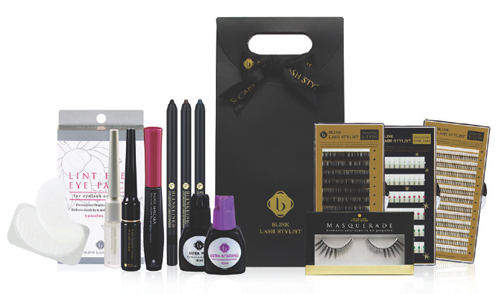
Supplies needed:
  • 2 Pairs of tweezers
  • Lint free eye patches
  • Lash primer
  • Lash brush
  • One of the following types of Glue
    • U+  - Quick dry time Acrylic-Based
    • B    - Medium dry time Acrylic-Based
    • A    - Slow dry time Acrylic-Based (usually used in training)
    • Q-1 - Medium dry time Latex-Based
  • Synthetic lashes ranging from sizes 7-15mm with one of the following curls:
    • J- Straighter lash used for severely hooded eyes.
    • B- Curls like a natural lash, used for recessed hooded eyes.
    • C- Most typical. Looks like a curled lash.
    • D- Most curly.  Only to be used on naturally curly lashes.
Always use Primer and sterile tools!

http://www.buykorea21.com/productImage/img20110928154440.jpg


You will first discuss with the client what her objectives are.  What look is she going for and why is she getting lash extensions.  You will also look at the client's lashes to see how full, curly, etc they are.  A plan should be made by taking into consideration both what the client wants, and what is possible with her natural lashes.  If she has very straight lashes, an extremely curly lash will not adhere well to her natural lashes.  If she has extremely short lashes, a 15 mm lash would put a lot of weight on the lash and possibly cause the lashes to shed quicker than normal.  Come up with a realistic shape that is acceptable for the client, and then have the client lay down with her head close to you and her chin up.


http://www.beautyhows.com/wp-content/uploads/2013/03/Eyelash-Extensions-Lifespan-Pros-Cons-and-After-Care-and-How-to-Remove-Lash-Extensions.jpg


Carefully place an eye patch under each eye to cover the bottom lashes.  Use tape to anchor pads in place or to cover any exposed bottom lashes.  Use primer to thoroughly cleanse any impurities and remove any product from the lashes.  Pour a small amount of glue on a sterile surface and pull out the sizes of lashes that will be used. 

With one set of tweezers, you will carefully separate the lashes and isolate one lash between your open tweezers.  With the other set of tweezers, you will grab one synthetic lash by the tip, and lightly dip the root in the glue.  Only a small amount of glue is needed.  Rub the bead of glue found on the root of the synthetic lash along the isolated natural lash to create a smooth and tacky surface for the lash to adhere.  Then place the synthetic lash onto the natural lash and hold until the glue is dry enough to hold the lash on its own.  The lash should be placed as close to the eyelid as possible, but with a little space to allow movement. 

Alternate sides to allow glue to dry well.  Also alternate the sizes you use to create a more natural looking lash.  For example, if you are primarily using a 12mm lash, add a few 11mm lashes to create a natural looking blend.  Shorter lashes are ideal for the inside corners near the nose so that the lashes don't poke the eyelid or put too much weight on the short lashes.

When each lash has been properly glued and aligned, check to make sure no lashes are sticking together or to the pad.  If two lashes are glued together, one will begin to tug on the other as they grow and will cause pain or other more serious problems.  Once you have checked to make sure the lashes are separated and straight, remove the pads and have the client sit up and THEN open their eyes slowly.


Instruct the client on proper care and maintenance of her lashes, and set up an appointment for a fill if possible. Your client will now enjoy full, long and beautiful lashes, without the hassle of mascara and curlers!

Friday, September 27, 2013

Chapter 4: Infection Control

1.  MSDS stands for Material Safety Data Sheet.  It is information compiled by the manufacturer about its product.  It includes ingredients and storage requirements.

2.  Bacteria are one-celled microorganisms with both plant and animal characteristics; also known as microbes.

3.  The two main classifications of bacteria are nonpathogenic and pathogenic. 

Nonpathogenic bacteria do not cause disease (they help the body breakdown food and protect against infection). 
Pathogenic bacteria may cause disease or infection when they invade the body.

4.  The three forms of pathogenic bacteria are:
  1. Cocci are round-shaped bacteria that appear either singly or in groups (Staphylococci, Streptococci, and Diplococci)
  2. Bacilli are short, rod-shaped bacteria.  They are the most common bacteria and produce diseases such as tetanus, typhoid fever, etc.
  3. Spirilla are spiral or corkscrew-shaped bacteria.
5.  Viruses are different from bacteria because they may only live by penetrating cells and becoming part of them, whereas bacteria may live on their own.

6.  AIDS affects the body by breaking down the immune system.  HIV is spread through blood and other body fluids such as semen and vaginal secretions.  It is not spread by holding hands, kissing, sharing food, or sitting on toilet seats.

7.  A contagious or communicable disease is a disease that is spread or transmitted by contact.

8.  The difference between local and general infection is that a local infection is confined to a particular part of the body, and a general infection is carried in the bloodstream to all parts of the body.

9.  Immunity is the ability of the body to resist disease and prevent infection. 
Natural Immunity is an inherited resistance to disease. 
Acquired immunity is developed after the body overcomes a disease, or through inoculation (such as vaccination).

10.  Decontamination is the removal of pathogens and other substances from tools and surfaces.  The three levels are:
  1. Sanitation- to significantly reduce the number of pathogens or disease-producing organisms found on a surface.
  2. Disinfection- to kill most microorganisms on hard, nonporous surfaces.
  3. Sterilization- to kill all microorganisms, including bacterial.
11.  Three types of disinfectants are:
  1. Quaternary ammonium compounds (quats)- non-toxic, odorless, and fast acting used to disinfect implements usually in 10-15 min.
  2. Phenol- caustic poison that can be safe and effective in disinfecting implements.  It may soften or discolor most rubber and plastic.
  3. Ethyl and Isopropyl alcohol- The strength must be 70% or higher for Ethyl, and at least 99% for alcohol.  Not always legal.
12.  These items may be disinfected in the following ways:
  1. Nonporous implements- Put on gloves and goggles, mix disinfectant (according to directions and adding disinfectant to the water), pre-clean with soap and water, rinse thoroughly and pat dry with clean towel, completely immerse, leave for required time, remove with clean tongs, rinse thoroughly and dry.
  2. Linens- Store in a closed, lined receptacle and wash with bleach.
  3. Electrical tools that cannot be immersed- wipe or spray with an EPA-registered, hospital-grade disinfectant created especially for electrical equipment.
  4. Work surfaces- Before and after performing services on each client, an EPA-registered, hospital-grade disinfectant should be used and left on for directed time.
13.  Six precautions to follow when using disinfectants include:
  1. Always follow manufacturer's recommendations for mixing and using.
  2. Always wear gloves and safety glasses when mixing chemicals with water.
  3. Always add disinfectant to water, not water to disinfectant.
  4. Use tongs, gloves, or a draining basket to remove implements.
  5. Never pour quats, phenol, alcohol, or any other disinfectant over your hands.
  6. Never place any disinfectant or other product in an unmarked container.
14.  To take care of an exposure incident:
  1. Stop the service
  2. Wear gloves
  3. Clean the injured area with an antiseptic
  4. Bandage the cut with an adhesive bandage
  5. Clean your workstation
  6. Discard contaminated objects by double-bagging and using a biohazard sticker
  7. Disinfect tools and implements
  8. Remove your gloves, and wash hands
15.  Universal Precautions are a set of guidelines and controls, published by OSHA, that require the employer and the employee to assume that all human blood and specified human body fluids are infectious for HIV, hepatitis B virus, and other bloodborne pathogens.

Friday, September 13, 2013

Chapter 3: Communicating for Success

1.  The Golden Rules of human relations are:
  • Communicate from your heart; solve problems from your head.
  • A smile is worth a million times more than a sneer.
  • Be kind to others. Treat people in a way that allows them to maintain their dignity.
  • Every action brings about a reaction.
  • Learn to ask for help when you are overwhelmed.
  • Show people you care by listening to them and trying to understand their point of view.
  • Give compliments freely.  An encouraging word at the right moment brings out the best in people.
  • Being right is different from acting righteous.
  • Balance your service to others with personal time to renew your own mind, body, and spirit.
  • Laugh often.
  • Show patience with other people's flaws.
  • Take time to evaluate your own attitude and actions.
  • Make amends when you are wrong.
  • Learn to forgive yourself and others.
  • Be compassionate toward others, demonstrating your support in difficult times.
  • Build shared goals; be a team player and partner to your clients.
  • A simple thank-you goes a long way in showing your appreciation to clients and colleagues.
  • Remember that listening is the best relationship builder.
2.  Communication is the act of successfully sharing information between two people, or groups of people, so that it is effectively understood.

3.  The ten elements of successful client consultation are:
  1. Review- Review the intake form and develop rapport with you client.
  2. Assess: Assess your client's goals and objectives.
  3. Preference- Ask the client what products and services she has done and what she thinks of them. What is the reason for today's visit?
  4. Analyze- Assess the client's skin type, texture, and any skin conditions.
  5. Lifestyle- Ask your client about her career and lifestyle.
  6. Show and tell- Review the various treatment options, and then use reflective listening to make sure you and the client both know what is going to happen.
  7. Suggest- Narrow the treatment options based on lifestyle, skin type, skin conditions, and Fitzpatrick typing. Tactfully discuss any unreasonable expectations and suggest any other helpful services.
  8. Sun exposure- give instructions regarding proper skin care with every client.  Make sure to advise clients who have exfoliating treatments to keep out of the sun.
  9. Maintenance- Counsel every client on proper skin care, regular salon treatments, lifestyle limitations, and home maintenance.
  10. Repeat- Reiterate everything that you have agreed upon.
5. Record things on the client's consultation for such as the client's reactions, anything you did and want to do again, and final results.

6.   To handle tardy clients make sure you know your salon's late policy.  If you can take the client, make sure you politely let them know that it is not acceptable to be late, but you can help them this time. If a client is habitually late, tell them an earlier time to come.

7.  To handle a scheduling mix-up make sure to be polite and don't argue about who is correct.Make another appointment for the client for as soon as possible.

8. To handle an unhappy client, first find out why the client is unhappy, then make an appointment to fix the problem as soon as possible.  If it is not possible to fix the problem, you may have to defer to the salon manager.

9. When communicating with Coworkers, it is important to remember:
  • Treat everyone with respect
  • Remain objective and neutral
  • Be honest and sensitive
  • Keep your private life private
  • Do not take things personally
10.  When communicating with a Salon Manager, it is important to remember:
  • Be a problem solver
  • Get your facts straight
  • Be open and honest
  • Do not gossip or complain about coworkers
  • Check your attitude
  • Be open to constructive criticism

Friday, August 30, 2013

Chapter 2: Professional Image

1.  Professional Image is "the impression projected by a person engaged in any profession, consisting of outward appearance and conduct exhibited in the workplace."

2.  Balance is an essential component of health because it is what allows you to promote and maintain health.  It creates a healthy lifestyle, which in turn allows you to make the best decisions concerning your health.

3.  Basic habits of personal hygiene include: Showering daily, keeping hair fresh, regular skin care, brushing and flossing, using breath fresheners as needed, using deodorant, washing hands as needed, being selective about wearing fragrances, and keeping nails trimmed and clean.

4.  Good posture helps you look good and feel good.  It also helps prevent some physical problems and promotes energy.

5.  Characteristics of a healthy positive attitude include:  Diplomacy, emotional stability, receptivity, sensitivity, values & goals, communication skills, discretion & confidentiality, and maintaining boundaries.

6.  You can develop a strong work ethic by being thoughtful about how you approach each day, how you treat others, and how you support your employer's needs.

7.  It is important to be a team player because it creates a work environment where everyone can be successful.

8.  The best way to deal with an unhappy client  is to view the situation as an opportunity to develop communication skills.  Some coping techniques include:  Counting to 10 and thinking before speaking, directing the situation to a higher authority if needed, and avoiding criticism.

9.  Managing your time is important because it allows enough time to maintain a balanced healthy life, and because it is a major component of being professional.

10.  Six ways to practice ethical behavior include: obtaining necessary credentials, maintaining integrity, knowing your boundaries, keeping client relationships professionally friendly, being honest & truthful, and being open to seeking consultation from more experienced people.

11.  Ten life skills that can lead to success are: build self-esteem, visualize your success, build on your strengths, be kind to yourself, define success for yourself, practice new behaviors, keep your personal life separate from work, keep your energy up, respect others, and stay productive.

12.  Setting goals is important to success because it maps out the journey to your success.  Without goals you are just floating. 

13.  Some ways to manage your time include learning to prioritize, never taking on more than you can handle, using problem-solving techniques, planning dates with family & friends, and developing your own personal mission statement.

Tuesday, August 27, 2013

Galvanic Desincrustation


I have heard a bit about Galvanic Desincrustation and I wanted to know more so I watched this video http://www.youtube.com/watch?v=Xyu4vN3wrHY.  I enjoyed this explanation because it was easy to understand, but it also gave detailed information about the science behind the procedure.


When used on the negative polarity, galvanic current is used to soften sebum and dilate follicles in order to make extraction easier.  First, you attach the passive electrode to the client.  In this video, she places it under the client's back.  Make sure it is totally covered in a moist sponge in order to have good contact with the skin.  Inform the client that they may experience a warming/tingling sensation and a metallic taste in their mouth.  Cover the tweezers entirely in cotton soaked in desincrustation solution. Next, spread the same solution on the face.  If you are doing the ears, place cotton balls soaked in the solution inside the ears.  Place the electrode on the skin, and THEN turn up the current.  Keep the tweezers electrode constantly moving, and don't let it lose contact with the skin. The total face should be covered in about 3-4 minutes.